A Parent Guide to Choosing the Right Baby Guard for Every Room
Choosing the right baby guard for every room in your home is a critical decision that can significantly enhance the safety of your child. As new parents, understanding the various types of baby guards and their specific features can help you make informed choices. This guide aims to provide comprehensive insights into selecting the most suitable baby guards to ensure a secure environment for your little one.
Understanding Different Types of Baby Guards
Baby guards come in several forms, each designed for specific areas of your home. Familiarizing yourself with these types will help you identify which is best suited for your needs.
People Also Look For:
- Shoze 150cm Bed Guard Bed Rail Folding Child Toddler Bed Rail Safety Protection Guard Portable Travel Child Bed Rail for Toddler B...
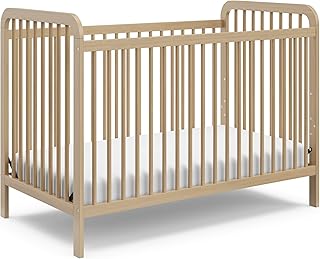
- Storkcraft Pasadena 3-in-1 Convertible Crib (Driftwood) – GREENGUARD Gold Certified, Converts to Daybed and Toddler Bed, Fi...
- DaVinci Jenny Lind 3-in-1 Convertible Baby Crib - GREENGUARD Gold Certified Portable Crib - Convertible Crib to Toddler Bed and Da...
- Foldable Bed Rails,Toddler Bed Guard Swing Down Adjustable Height Easy to Install Fit Full-Size Single Bed Double Bed King&Queen M...
- Bed Guard Rail for Toddler, Child & Baby. Fits Single, Double Up to King Size Beds, White, 83 cm x 48.5 cm
- Baby Gates: Ideal for blocking off stairways or securing rooms, baby gates come in various designs, including pressure-mounted and hardware-mounted options.
- Play Yards: These are portable and can be used indoors or outdoors, providing a safe play area for your baby. They are often foldable for easy storage.
- Window Guards: Essential for preventing falls from windows, these guards provide an extra layer of safety while allowing fresh air into your home.
- Bed Rails: Used for transitioning from a crib to a bed, bed rails prevent falls during the night, ensuring a restful sleep for your child.
Key Features to Consider When Choosing Baby Guards
When selecting baby guards, there are several vital features to keep in mind to ensure maximum safety and functionality. Here are some important aspects to consider:
- Material: Look for guards made from durable materials that can withstand wear and tear. Plastic and wood are common materials, but metal options offer additional strength.
- Height: Ensure the guard is tall enough to prevent your baby from climbing over it. Most baby gates range from 29 to 36 inches high.
- Installation: Depending on where you plan to use the guard, consider whether it needs to be pressure-mounted or permanently mounted. Pressure-mounted gates are easy to install and remove, while hardware-mounted options are more secure.
- Width Adjustment: Some models allow for width adjustments to fit various openings. This feature is crucial if you plan to move the guard between different locations.
Safety Standards and Certifications
Ensuring that the baby guard you choose meets safety standards is paramount. Look for products that comply with safety regulations established by organizations such as the Consumer Product Safety Commission. Here are some certifications to watch for:
- ASTM International: This certification indicates that the product adheres to safety standards set by the American Society for Testing and Materials.
- JPMA Certification: The Juvenile Products Manufacturers Association certifies that products meet or exceed safety standards for children’s products.
- Consumer Product Safety Commission Compliance: Ensure the product complies with CPSC regulations to guarantee safety.
Practical Tips for Installing and Using Baby Guards
Once you have chosen the right baby guard, proper installation and usage are essential for ensuring safety. Here are some practical tips to follow:
- Follow Manufacturer Instructions: Always refer to the installation manual provided by the manufacturer. This ensures that the guard is set up correctly and securely.
- Regular Checks: Periodically check the stability of the baby guard. Ensure that all components are intact and functioning as intended.
- Teach Your Child: As your child grows, educate them about the purpose of the baby guard. This helps them understand boundaries and promotes safety awareness.
- Stay Within Sight: Never rely solely on baby guards for safety. Always supervise your child, especially near stairs or windows.
By understanding the different types of baby guards available, key features to consider, safety standards, and practical usage tips, parents can make well-informed decisions that prioritize their child's safety in every room of the home. The right choice not only ensures a secure environment but also provides peace of mind for parents, allowing them to focus on creating joyful memories with their little ones.