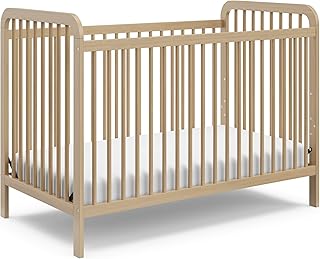
Emotional Benefits of Bed Guards for Infants in 2026
In 2026, parents are increasingly aware of the emotional and psychological aspects of infant safety and comfort. Bed guards for infants are not just safety devices but also tools that foster a sense of security and emotional well-being. These devices prevent infants from rolling out of bed during sleep, ensuring that both the child and the parents experience peace of mind. Understanding the emotional benefits of bed guards is essential for parents looking to create a safe sleeping environment for their little ones.
Enhancing Sense of Security
One of the primary emotional benefits of using bed guards for infants is the enhanced sense of security they provide. Infants, especially during their early months, are still adapting to their environments. A sudden fall or tumble can be distressing, not just for the baby but also for the parents. Bed guards create a boundary that visually and physically reassures both infants and parents. For instance, when a parent sees their child sleeping soundly next to a bed guard, it alleviates anxiety about potential falls, allowing for a more restful night.
Additionally, research indicates that children who feel secure are more likely to develop healthy emotional responses. In 2026, experts emphasize that a safe sleeping space contributes significantly to a child’s emotional development. Infants who experience fewer disruptions during sleep due to safety concerns are more likely to form secure attachments with their caregivers, which is a crucial aspect of emotional growth.
Building Independence
Bed guards also foster a sense of independence in infants. As children grow, they begin to explore their surroundings and assert their autonomy. Bed guards allow infants to experience a degree of freedom while maintaining safety. This balance is vital for emotional development. For example, when a child realizes they can move around freely in their crib without the fear of falling, it encourages exploration and self-discovery.
In 2026, parents are encouraged to allow their infants to engage with their environment safely. Bed guards serve as a supportive tool that enables infants to practice movement without the constant fear of injury. This independence is essential as it helps build confidence in their abilities, which is a foundational aspect of emotional resilience.
People Also Look For:
- nobranded Toddlers Bed Rails Extra Long Swing Down Baby Bed Guards Fold Down Safety Bedrail with Dear Pattern Kids Guardrail for T...
- Jinrobabes 3 Pack Baby Bed Rails for Toddlers, Adjustable Heights & Foldable Bed Guard for Full-Size Queen & King Mattress(3 Pack-...
- Toddlers Bed Rails Extra Long Swing Down Baby Bed Guards Fold Down Safety Bedrail with Dear Pattern Kids Guardrail for Twin Double...
- baibu Bed Bumpers for Toddlers,Kid Bed Safety Rail Guard Toddler Foam Toddler Bed Rail, Bed Guard Rail for Toddlers, 1 Pack
- BANBALOO - 2-Pack Inflatable Bed Bumper for Children - Child Fall Protection, Inflatable Travel Bed Rail, for fold-Away, Single, D...
Promoting Healthy Sleep Patterns
Healthy sleep patterns are crucial for emotional well-being, and bed guards play a significant role in promoting them. Infants need adequate sleep to develop both physically and emotionally. A secure sleeping environment, facilitated by bed guards, helps infants fall asleep more easily and stay asleep longer. In 2026, sleep experts are increasingly recognizing the connection between a secure sleep space and the quality of sleep.
When infants know they are protected from rolling off the bed, they can focus on transitioning through sleep cycles without interruptions. This uninterrupted sleep is key for emotional regulation. Research shows that well-rested infants are less irritable and more capable of handling stressors. For parents, the emotional benefits of having a well-rested child cannot be overstated, as it leads to a more harmonious household.
Reducing Anxiety for Parents
The emotional benefits of bed guards extend beyond the infants; they also significantly reduce anxiety for parents. In 2026, many parents report heightened anxiety levels related to their child's safety during sleep. Bed guards help alleviate this concern by providing a reliable safety measure. When parents can confidently place their infants in a bed with guards, they experience less worry, which positively affects their emotional state as well.
For instance, a parent might recall a time when they experienced sleepless nights due to anxiety about their child falling out of bed. After installing a bed guard, they noticed a drastic improvement in their emotional health. This newfound peace of mind allows parents to engage more fully with their children during the day, fostering stronger emotional bonds.
Facilitating Transition to Toddler Beds
Transitioning from a crib to a toddler bed can be a significant emotional milestone for both infants and parents. Bed guards facilitate this transition smoothly. In 2026, many parents are choosing to use bed guards as a safety feature during this pivotal change. These guards help children feel secure in their new sleeping arrangement, reducing the fear of falling out.
Parents often find that children are more willing to embrace the change when they have the additional support of bed guards. They provide reassurance that even as they enter a new phase of sleeping, safety remains a priority. This emotional comfort is essential in helping children adapt to new routines without undue stress. For example, a child moving to a toddler bed might initially feel anxious about the change. However, with the presence of a bed guard, they can feel secure and explore their new sleeping environment, thereby easing the transition.
In 2026, the integration of bed guards in transitional sleep arrangements is viewed as a positive practice that supports emotional growth. This practice not only emphasizes safety but also encourages a sense of agency in young children.
Encouraging Positive Associations with Sleep
Creating positive associations with sleep is another emotional benefit of bed guards. When infants feel safe in their sleeping environment, they are more likely to develop a healthy relationship with sleep. In 2026, experts recommend that parents cultivate a nurturing bedtime routine that includes the use of bed guards. This combination reinforces a positive experience at bedtime.
Parents can enhance this experience by incorporating calming activities such as reading or singing before sleep. When a bed guard is present, it provides a sense of security that allows infants to relax fully. This emotional comfort translates into a more peaceful sleep experience, which in turn fosters a positive attitude towards sleep as a whole. As children grow, they carry these positive associations into later stages of life, impacting their overall emotional health.
In 2026, fostering an environment where children feel safe and comfortable at bedtime is more important than ever. Bed guards serve as a critical component in establishing this nurturing space, allowing infants to thrive emotionally.