Comparing Materials for Baby Bed Guards and Safety
As parents prioritize safety and comfort for their little ones, the choice of materials for baby bed guards becomes crucial. In 2026, numerous options are available, each with unique benefits and drawbacks. Understanding these materials can help parents make informed decisions that ensure their child's safety while also providing comfort and aesthetic appeal.
Common Materials for Baby Bed Guards
When selecting a bed guard for infants and toddlers, several materials stand out in 2026. These include wood, metal, fabric, and plastic. Each material has its advantages and can cater to different preferences and needs.
Wooden Bed Guards
Wooden bed guards are a popular choice among parents for their durability and aesthetic appeal. In 2026, manufacturers offer a variety of designs that can blend seamlessly into home decor. Solid wood options provide robust support and a natural look, making them an attractive addition to any nursery.
Moreover, wooden bed guards often come with the option of non-toxic finishes, ensuring safety for babies. For instance, a wooden guard can be designed to fit snugly against the mattress, preventing any gaps where a child could get stuck. However, it is essential to consider the weight of wooden options, as they may be less portable than lighter materials.
Metal Bed Guards
Metal bed guards are known for their sturdiness and longevity. By 2026, innovations in metalwork have led to lighter yet strong designs. These guards often feature adjustable heights, making them suitable for different bed sizes. Many parents appreciate the sleek and modern look of metal, which can complement contemporary bedroom designs.
People Also Look For:
- nobranded Toddlers Bed Rails Extra Long Swing Down Baby Bed Guards Fold Down Safety Bedrail with Dear Pattern Kids Guardrail for T...
- Dreambaby Prague Toddler Bed Guard - Foldable & Portable Safety Rail - Suitable for Flat Bed Bases Up to King Size Mattress - Meas...
- Ejoyous Children's Bed Safety Rail, 1.5M Vertical Lifting Guard for Protection, Toddlers and Babies Fall Prevention
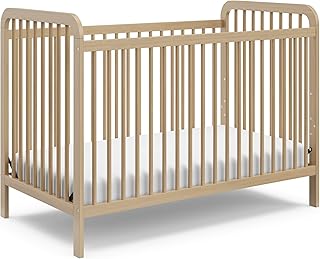
- DaVinci Jenny Lind 3-in-1 Convertible Baby Crib - GREENGUARD Gold Certified Portable Crib - Convertible Crib to Toddler Bed and Da...
- 180cm Bed Guard Bed Rail Folding Child Toddler Bed Rail Safety Protection Guard Portable Travel Child Bed Rail for Toddler Baby an...
Additionally, metal bed guards are typically easy to clean, an essential factor for busy parents. They can withstand wear and tear, making them a long-term investment. However, it is crucial to ensure that edges are smooth to prevent any injury to curious toddlers.
Fabric Bed Guards
Fabric bed guards have gained popularity in recent years, especially in 2026. They provide a soft barrier that can be more forgiving than harder materials. Many parents opt for fabric guards to create a cozy environment for their children. These guards often come in a variety of colors and patterns, allowing parents to customize their child’s sleeping space.
In terms of safety, fabric bed guards are designed with features that prevent slipping and ensure stability. Many options are filled with foam for added protection, cushioning against falls. When considering fabric guards, parents should pay attention to the materials used to avoid allergens and ensure ease of cleaning.
Plastic Bed Guards
Plastic bed guards are lightweight and often more affordable than other options. In 2026, advancements in plastic technology have produced models that are both sturdy and flexible. These guards can be easily attached and removed, making them ideal for families who travel frequently or need to adjust their sleeping arrangements often.
Moreover, plastic bed guards are often available in fun colors and designs that can appeal to young children. However, parents should verify that the plastic used is BPA-free and meets safety standards to ensure the well-being of their child. While these guards may not provide the same aesthetic appeal as wood or metal, their practicality cannot be overlooked.
Comparative Analysis of Safety Features
Evaluating safety features is essential when comparing materials for baby bed guards. In 2026, safety standards have become even more stringent, ensuring that all products on the market meet rigorous guidelines. Parents should consider specific safety aspects such as height, stability, and ease of use.
Height and Stability
The height of a bed guard is a critical factor in preventing falls. In 2026, most manufacturers recommend that guards should be at least 26 inches high from the top of the mattress. This height helps to ensure that toddlers cannot easily climb over the guard. Stability is equally important; parents should look for guards that can be securely attached to the bed frame or mattress.
Ease of Use
For parents, ease of installation and removal is a significant consideration. Many options available in 2026 feature simple mechanisms that allow quick adjustments. Additionally, parents should look for guards that can be folded away when not in use, offering versatility for various sleeping arrangements.
Environmental Considerations
In 2026, many parents are increasingly concerned about the environmental impact of the products they choose. When selecting materials for baby bed guards, eco-friendly options are gaining traction. Sustainable wood, recycled metals, and organic fabrics are becoming more accessible, allowing parents to make choices that align with their values.
For example, choosing a wooden bed guard sourced from sustainably managed forests can reduce environmental impact. Furthermore, fabric guards made from organic cotton provide a safe and chemical-free sleeping environment for children. Parents should inquire about the sourcing and production processes of the materials used to ensure they are making responsible choices.