The Importance of Baby Bed Guards in Preventing Nighttime Falls
As any parent in the United Kingdom will attest, a child’s safety is paramount, particularly during sleep. The transition from a cot to a child’s bed is often fraught with apprehension for families, owing to the newfound risk of night-time falls. As children grow, become more active sleepers, and develop independent motor skills, the open sides of a toddler’s or single bed present a very real danger: an unexpected drop to the floor. This is where baby bed guards, also known as bed rails, serve an indispensable role.
This in-depth article will thoroughly explore the crucial role baby bed guards play in preventing night-time falls. We will examine the common causes and dangers of such accidents, the various types of bed guards available, research supporting their usage, parental insights, installation tips, added benefits for emotional well-being, and practical advice for maximising the safety they provide.
Understanding Night-time Falls in Early Childhood
Before addressing the effectiveness of bed guards, it is important to understand why night-time falls are so prevalent among toddlers. The following factors contribute to the risk:
- Child Mobility
As children move from infancy to toddlerhood, they develop increased mobility and independence. Active sleepers roll, twist, and move across the bed throughout the night.
- Lack of Spatial Awareness
Young children do not have a fully developed understanding of spatial limits. They may unknowingly move towards the bed’s edge, particularly when unsettled or dreaming.
- Transition to a Larger Sleep Surface
Moving to a bed from a cot or Moses basket, with its protecting sides, exposes children to unguarded edges for the first time.
- Night Waking
When waking during the night, some toddlers attempt to leave the bed independently and misjudge distances in low-light conditions.
- Bedtime Play and Excitement
Excited toddlers may bounce or jump on the bed, increasing the risk of falling off an unguarded side.
The combination of these behaviours creates a perfect storm for unintentional tumbles. Night-time falls may result in minor bumps or, in severe cases, lead to fractures, head injuries, and long-lasting sleep anxieties.
The Role of Baby Bed Guards in Preventing Night-time Falls
Baby bed guards are designed to act as a physical and visual barrier, helping to create the secure boundaries familiar to children used to sleeping in a cot. Their role in fall prevention is vital for several reasons:
- Barrier Protection
Bed guards sit along the open edge(s) of a toddler’s or child’s bed, blocking the path and ensuring a rolling or restless child cannot tumble onto the floor.
- Safe Transition
As children adjust from cot to bed, the guard replicates the cot’s sense of enclosure, gently guiding the child away from the edge.
- Peace of Mind for Parents
With a reliable guard in place, parents are spared the stress of constantly checking on their sleeping child or fearing sudden accidents in the night.
- Consistency in Sleep Environment
Whether at home, on holiday, or staying with relatives, a portable bed guard provides continuity, supporting safe sleep routines wherever the child goes.
- Promoting Independence Safely
Children can climb in and out of bed unaided—an important developmental step—without risking dangerous falls during sleep.
Types of Baby Bed Guards
The UK market offers a diverse range of bed guards, each with its own safety features and suitability for different needs. Here is a rundown of the main types:
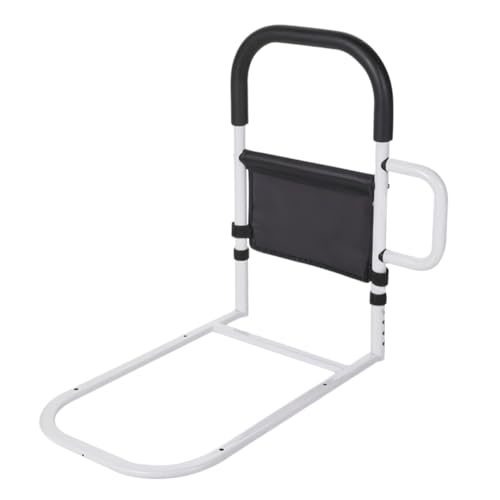
- Fixed Bed Guards
Attached permanently to the bed frame, these provide the highest barrier strength—ideal for highly active sleepers.
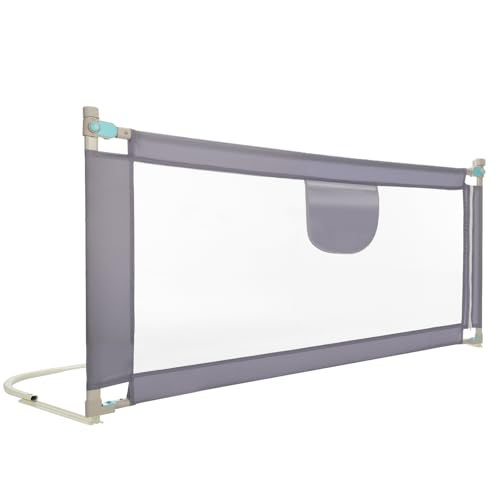
- Fold-Down Bed Guards
These feature a hinge, allowing parents easy access for making the bed or for nighttime cuddles, but can be locked upright during sleep.
People Also Look For:
- PTKG Custom crib bumper Cot Liner Headboard Bumper Padded Side Protectors Protect All Round Crib Rail Cover Baby Bed Baby Boys Gir...
- Maxmass Baby Bed Rail, 150cm Folding Safety Bed Guard with Fastening Belt, Toddlers Protection Beside Guardrail for Twin Bed Full ...
- Cabinet Locks for Babies and Child Safety, 4 Pack Childproof Latches with Adhesive for Drawer Cupboards Closet and Pantry Door, Ba...
- shinfly Corner Protectors for Baby, 8 PACK Thick Table Furniture Edge Protectors for Kids with Strong Adhesion, Sharp Corners Guar...
- Reversible 2pcs Baby Bedding Set Duvet Cover + Pillowcase 120x90cm for COT (1)
- Portable Bed Guards
Easily installed and removed, these are perfect for travel or temporary use, often constructed from lightweight mesh or plastic.
- Inflatable Bed Guards
Air-filled tubes slip beneath the fitted sheet, creating a gentle but effective rise that discourages rolling over the edge.
- Foam Bumpers
Positioned under the sheet, these provide a low-profile, soft barrier—suitable for less active, older toddlers or children.
Research and Evidence Supporting Bed Guard Use
Numerous studies have demonstrated the efficacy of bed guards in minimising night-time accidents. Some of the key findings are summarised below:
- Reduction in Fall-Related Injuries
UK hospital data shows a notable reduction in admissions for night-time bed falls among children using well-fitted bed guards, particularly for ages 2–5.
- Improved Sleep Quality for Parents and Children
Research has found that parents experience less night-time anxiety and increased restorative sleep, while children feel safer and settle faster at bedtime.
- Positive Behavioural Impact
Children sleeping with bed guards are less likely to exhibit resistance to new beds or disrupted sleep, due to the sense of safety the device imparts.
How to Install Bed Guards Correctly for Maximum Safety
Proper installation is key to ensuring that a bed guard fulfils its protective purpose. Follow these steps:
- Measure Your Bed and Mattress
Confirm that the guard’s dimensions are compatible with your child’s bed and mattress depth. Ill-fitting guards may leave dangerous gaps.
- Follow Manufacturer’s Instructions Meticulously
Every guard is different. Refer to the instruction manual for bracket placement, securing mechanisms, and height settings.
- Double-Check for Stability
Once installed, apply moderate pressure to ensure the guard does not wobble or shift. If it moves easily, re-install or exchange for a more appropriate model.
- Ensure No Gaps Between Guard and Mattress
Small gaps can pose asphyxiation or entanglement risks for young children.
- Inspect Regularly
Check fastenings and materials weekly for wear, tears, or signs of loosening.
Additional Benefits Beyond Physical Protection
Bed guards deliver further advantages that extend past straightforward safety:
- Supporting Emotional Security
The cot-like enclosure soothes nighttime fears, easing the transition to greater sleep independence.
- Encouraging Consistent Bedtime Routines
Familiar boundaries and reduced fear of falling promote uninterrupted, stable sleep patterns.
- Simplifying Bed Sharing or Travel
Portable guards can be used in unfamiliar settings, reducing resistance to new environments.
- Boosting Parental Confidence
Reduced fear of falls means less need for constant monitoring, benefitting everyone’s sleep health.
Common Mistakes to Avoid When Using Bed Guards
To fully safeguard your child, beware of these common errors:
- Incorrect Sizing
Guards that are too short or too low fail to provide adequate protection.
- Poor Installation
Skipping steps or not tightening attachments can render the guard useless.
- Using Adult Bed Rails for Small Children
Toddler-specific guards are designed with appropriate gaps and heights to address different safety needs and legal standards.
- Ignoring Damage or Wear
Any sign of weakness, such as tears in mesh or bent metal, should be addressed or replaced immediately.
- Leaving Large Gaps at the Ends
Gaps between the headboard, footboard, and guard are dangerous for small children and must be minimised.
Supplementary Ways to Prevent Night-time Falls
While bed guards are highly effective, comprehensive safety includes additional vigilance:
- Position the Bed Against a Wall
Use a guard only on the open side(s) for extra protection.
- Keep Floor Area Clear
Soften the landing with a carpet or rug and ensure toys or sharp objects are not under or around the bed.
- Supervise Initial Nights
Stay alert during the first week as your child acquainted themselves with the new bed.
- Teach Safe Bed Exits
Show children how to get in and out of bed feet first rather than head first or jumping.
Parental Perspectives: First-Hand Accounts
Real life experiences from UK parents reinforce the value of bed guards:
- Peaceful Nights After Sleepless Worry
“With the guard in place, I stopped waking up every hour worrying about falls. It made all the difference to my mental health and my son’s sleep routine.”
- Essential for Twins and Active Sleepers
“My twin girls always end up pressed against the edges. Bed guards kept them both secure—would recommend them to every mum.”
- Helpful on Holidays and Sleepovers
“Our foldable guard comes wherever we go, so whether at Nana’s or in a hotel, bedtime feels familiar and safe.”
Frequently Asked Questions About Bed Guards
- At what age should I introduce a bed guard?
Generally suitable from around 18 months—once your child outgrows their cot or starts climbing, and until they can reliably stay in bed all night.
- How long should a bed guard be used?
Many families use a bed guard for several months, sometimes up to two years, depending on the child’s sleep habits and confidence.
- Are bed guards safe for all beds?
Most are suited for standard toddler or single beds. Always check compatibility and avoid use on elevated bunk beds.
- Can I use two guards on both sides?
Yes—especially if the bed is freestanding in the room, or if your child rolls excessively at night.
Choosing the Right Bed Guard for Your Child
- Assess Your Child’s Needs
Active sleepers and younger toddlers generally benefit from a fixed or high-sided guard, while older or calmer children may do well with a foam bumper.
- Check Safety Certifications
Look for BSI or other UK/EU safety standards; ensure there are no sharp edges, choking hazards, or mesh with large holes.
- Consider Ease of Cleaning
Accidents will happen—choose a model with washable or wipeable materials.
- Look for Practicality and Portability
Travel-friendly options support continued protection outside the home.
Conclusion
Preventing night-time falls is a critical part of safeguarding a child’s well-being as they take those early steps towards independence in their own bed. Baby bed guards are not just helpful tools; they are essential safety assets that dramatically reduce the risk of night-time injuries, facilitate smoother sleep transitions, and foster peaceful nights for both toddlers and their parents. The variety of bed guard types ensures there is an option for every need and setting, while consistent use and proper installation maximise their effectiveness.
As British families weigh the best ways to protect their children, investing in a high-quality, certified bed guard stands out as a straightforward measure to secure happy, healthy sleep. Night-time safety forms the foundation for well-being far beyond early childhood, making the thoughtful selection and use of baby bed guards a fundamental choice for every responsible parent.