Keeping Your Little One Safe with the Best Baby Bed Guards
The journey of parenthood is filled with moments of joy, anticipation, and caution—especially when considering the safety of our little ones. Sleep is one of the most important periods in a growing child's day, but the transition from cot to bed often brings with it new risks, including unintentional night-time falls. For families in the United Kingdom, baby bed guards represent one of the best solutions for bridging the gap between security and independence. But how can parents ensure they select, install, and benefit from the very best bed guards available?
This comprehensive guide will explore all aspects of keeping your child safe with baby bed guards. Drawing from professional parenting advice, expert safety standards, current United Kingdom regulations, and real-world parental experiences, this 3000+ word article will help you make informed decisions for worry-free nights.
Why Baby Bed Guards Matter
Moving from a cot to a children’s bed is a significant milestone for both child and parent. The emotional comfort and physical safety provided by cot rails do not always transfer to an open bed, leading to:
- Increased risk of accidental falls and minor injuries during sleep.
- Anxiety in children adjusting to new sleep environments.
- Restless nights for concerned parents who fear for their child’s safety.
- Disrupted sleep patterns for both children and adults.
Baby bed guards serve as a practical, reassuring measure—providing boundaries for even the most restless sleeper and peace of mind for those watching over them.
Types of Baby Bed Guards
There are several types of baby bed guards to suit different beds and lifestyles. Here's a breakdown:
People Also Look For:
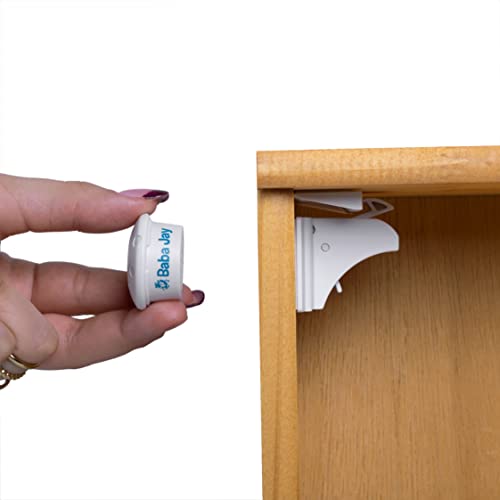
- Invisible Drawer Locks Child Safety Locks Baby Proofing Hidden Latches Childproof Cupboard Locks with Strong Adhesive for Cabinet ...
- NUOBESTY 4pcs Adhesive Socket Cover Outlet Covers Flip Type Weatherproof for Power Socket Outlet Bathroom
- PTKG Custom crib bumper Cot Liner Headboard Bumper Padded Side Protectors Protect All Round Crib Rail Cover Baby Bed Baby Breathab...
- Littles Bed Guard Rail for Toddler, Child & Baby. Fits Single, Double Up to King Size Beds, Grey, 83 cm x 48.5 cm
- PTKG Custom crib bumper Cot Liner Headboard Bumper Padded Side Protectors Protect All Round Crib Rail Cover Baby Bed Baby Boys Gir...
- Fixed Bed Guards: These sturdy barriers are attached firmly to the bed’s side, remaining in one position and offering reliable protection for children who move excessively during sleep.
- Fold-Down Bed Guards: Known for their versatility, these guards feature hinge mechanisms that allow parents to lower them easily for access during naptime, bedtime stories, or for changing bedding.
- Inflatable or Portable Bed Guards: Perfect for families who travel frequently or need temporary solutions. They are lightweight and easy to pack, though best for occasional use.
- Mesh Bed Rails: Featuring breathable materials, these guards are comfortable, safe, and reduce the risk of injury or suffocation while still protecting toddlers from falling.
- Universal Bed Guards: Adjustable in length and height, these guards are suitable for a variety of mattress types and bed frames.
Key Features of the Best Baby Bed Guards
- High-Quality Materials: Look for guards made of robust, non-toxic components—steel or hardwood frames mixed with soft mesh or padded fabrics.
- Strict Safety Standards: The British Standard BS 7972 is the mark to look for regarding safety, ensuring safe engineering, no entrapment risks, and durability.
- Proper Fit: Bed guards must be compatible with the size and thickness of your child’s mattress for seamless, secure installation.
- Seamless Installation: The attachment mechanism should hold the guard firmly in place but also enable tool-free removal for washing or storage.
- Breathable Design: Mesh siding and rounded edges prevent injuries and suffocation hazards.
- No Sharp or Protruding Parts: The best designs completely exclude small, detachable, or sharp parts, keeping curious hands safe.
- Easy to Clean: Removable, washable covers or water-resistant surfaces are vital for handling night-time spills or accidents.
Understanding UK Safety Regulations
In the United Kingdom, any product designed for child sleep safety, including bed guards, must comply with rigorous regulations:
- British Standard BS 7972: All bed guards should meet or exceed this standard for mechanical safety and entrapment risk.
- Labelling Requirements: Essential safety and usage information must be clearly displayed.
- Manufacturer's Directions: Always follow supplied instructions, including recommended bed/mattress combinations and age limitations.
- Product Recalls and Updates: Check national safety recall databases before installation, especially for second-hand products.
How to Select the Best Baby Bed Guard for Your Family
With so many options on the market, it can feel daunting to select the right product. Consider the following:
- Measure Your Bed: Ensure the length and thickness of your mattress match the guard’s recommended specifications.
- Check Compatibility: Certain bed frames (e.g., divans or slated designs) require special attachment types.
- Assess Child’s Sleeping Habits: Active sleepers may need full-length, fixed guards, while fold-down guards suffice for calmer children.
- Prioritise Safety Features: Examine for non-slip bases, secure locking mechanisms, and rounded or padded surfaces.
- Read Trusted Reviews: Seek independent testimonials and professional recommendations, especially from UK parenting forums.
- Plan for the Future: An adjustable or portable model may adapt to various rooms or family travel needs as your child grows.
Installation: Getting It Right
Even the best bed guard will underperform if not installed correctly. Follow these steps:
- Read the Manual: Never skip the manufacturer’s instructions. Every model is different, and improper installation can create hazards.
- Prepare the Bed: Remove bedding and any soft toys near the guard area before positioning the device.
- Secure all Fixings: Use provided straps, clamps, or brackets. Tighten until the guard is immovable.
- Test Placement: Simulate rolling to ensure the guard stands firm and leaves no dangerous gaps.
- Check Every Night: Bedding changes can disturb installation—regularly verify the guard remains secure.
- Do Not Modify: Avoid DIY alterations that might invalidate safety testing or product warranty.
Common Mistakes and How to Avoid Them
- Using a guard on a bed type it is not designed for (such as a bunk or cot).
- Failing to secure the guard tightly, creating fall or entrapment risks.
- Ignoring weight or age guidelines specified by the manufacturer.
- Allowing blankets or toys to become wedged between the bed and the guard.
- Continuing to use a guard that is damaged, loose, or missing key components.
The Emotional Benefits of Baby Bed Guards
While the prevention of physical injury is a parent’s primary goal, baby bed guards also provide critical emotional support—for both children and their guardians:
- Children benefit from secure boundaries, which are especially comforting during developmental leaps.
- Parents experience reduced anxiety, knowing their child is protected.
- Routines around bedtime become easier to establish and maintain.
- Transitions to new beds, room arrangements, or even sibling sharing are smoother with clear, safe boundaries.
When Should You Use a Baby Bed Guard?
- During the transition from a cot to the first bed, usually between 18 months and three years old.
- If your child is an active sleeper who frequently rolls or moves at night.
- When sleeping in unfamiliar places—holidays, relatives’ homes, etc.—to maintain safety standards across environments.
- Until your child reliably remains in bed and no longer risks accidental falls, usually by age five, depending on developmental progress.
Travelling with Bed Guards
Travelling does not have to mean compromising on safety. Tips for using bed guards away from home include:
- Invest in a lightweight, inflatable, or foldable model that fits easily in your luggage or car boot.
- Check ahead if your accommodation offers bed guards or if you need to bring your own.
- Follow the same rigorous installation checks as you would at home, no matter how temporary the stay.
Maintaining Your Baby Bed Guard
- Regularly inspect for loose fixings, rips, or damage. Replace worn parts immediately.
- Wash mesh or fabric components according to care instructions to maintain hygiene.
- Check the snug fit every time you change bedding or rearrange the bedroom.
When Should You Stop Using a Bed Guard?
- When your child can safely climb in and out of bed without assistance or incident.
- If the guard no longer fits snugly due to thicker mattresses, bed changes, or manufacturer guidelines regarding age and weight.
- As soon as you spot significant wear, breakage, or any compromise in structural stability.
Beyond Bed Guards: Additional Child Sleep Safety Tips
- Place the bed away from windows, heaters, and sharp-edged furniture.
- Ensure cords from blinds or curtains are out of reach.
- Use night-lights if your child wakes in the dark and tries to leave bed unassisted.
- Maintain consistent bedtime routines for smoother transitions and reduced midnight wandering.
Top 5 Frequently Asked Questions
- Are baby bed guards suitable for all beds?
No. Always check product compatibility with your bed frame and mattress type. Guards are not suitable for bunk beds or cots.
- Can a child disengage the guard during sleep?
Top models feature child-proof mechanisms or solid anchoring—always ensure secure fitting prior to use.
- Should both sides of the bed have a guard?
If the bed is not against a wall, consider using two. If one long side is flush with a wall, a single guard is often sufficient.
- Can the guard be left on all the time?
Yes, as long as it remains tightly secured and in excellent condition. Remove when changing sheets to check fittings.
- Are inflatable bed guards as effective as fixed ones?
For regular use, fixed guards are safer. Inflatable and portable options are best saved for travel or occasional needs.
Summary Checklist: Buying and Using Baby Bed Guards
- Measure everything: child, mattress, and bed frame.
- Choose a BS 7972-certified guard with mesh, no sharp edges, and a proper attachment system.
- Follow installation instructions meticulously and check every night for secure fit.
- Maintain and clean regularly, replacing at the first sign of damage.
- Phase out bed guards as your child grows and demonstrates safe sleep habits.
Conclusion
Baby bed guards are a small investment with an outsized impact on your family’s peace of mind and safety. As with any child-related product, the key lies not only in selecting quality but also in vigilant installation, ongoing maintenance, and age-appropriate usage. By understanding the myriad options, UK safety requirements, and practical challenges of modern family life, parents can choose the best bed guard to keep their little one snug and secure night after night.
From the very first night in a “big bed” to the final day they need boundaries, a well-chosen and well-installed bed guard empowers children to rest safely. For parents, that translates to fewer worries, better sleep, and joyful confidence as their children grow. Always put safety first, rely on expert-backed recommendations, and trust your instincts as a parent—they remain the best defence of all.