Different Types of Baby Bed Guards and Their Benefits
The transition from cot to bed is an essential milestone in every child’s development. For parents across the United Kingdom, this period can be both exciting and anxiety-inducing, particularly when it comes to ensuring a child’s safety during sleep. Baby bed guards, sometimes referred to as bed rails, play a pivotal role in providing a secure environment for toddlers who are learning to sleep in a “big bed” for the first time. With a multitude of designs, materials, and innovative features available in the market, choosing the correct baby bed guard may seem a daunting task. This comprehensive article will cover the different types of baby bed guards and their benefits, providing peace of mind for parents and a safe, cosy bed for little ones.
Understanding Why Baby Bed Guards Are Important
Before exploring the types of bed guards, it’s crucial to understand their importance. Bed guards are designed to prevent infants and toddlers from rolling or falling out of bed, particularly during restless sleep or nighttime movement. They are especially valuable in the early days after the transition from cot to bed when a child lacks spatial awareness and is not used to the open sides of a standard bed.
The benefits extend beyond physical protection. Baby bed guards provide both children and parents with emotional security, encouraging restful sleep and reducing bedtime anxiety. With the correct guard in place, independence can be fostered, as children learn to navigate their own sleeping arrangements safely.
1. Fixed Bed Guards
Definition and Structure
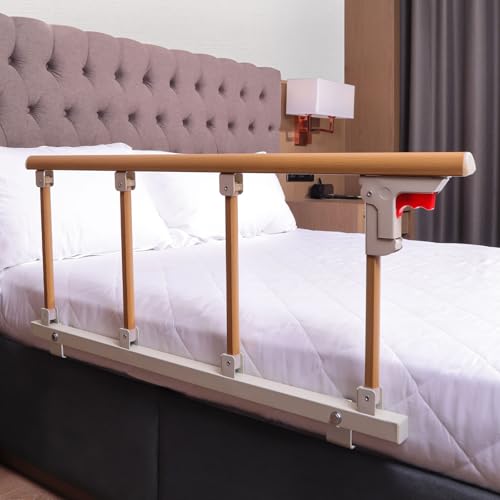
Fixed bed guards, often made of wood, metal, or durable plastic, are designed to be securely attached to the bedside, creating a robust physical barrier. They typically bolt or clamp onto the bed frame, providing immovable protection throughout the night.
Benefits of Fixed Bed Guards
- High Level of Security: Because they are physically attached, fixed bed guards are less likely to shift or come loose, making them ideal for energetic sleepers.
- Long-Term Solution: Fixed bed guards are often hard-wearing and may suit a child for several years, making them a cost-effective investment for families with multiple children.
- Sturdy Design: Many fixed guards are robust, deterring climbing and providing support for children who might use the rail to pull themselves up in the morning.
- Customisable Appearance: Wooden and metal guards often integrate better into bedroom décor, with finishes and designs that can be painted or stained to match furnishings.
Limitations
- Limited Portability: Once fitted, fixed guards are not easily moved from one bed to another, nor are they ideal for travel.
- Installation Required: Some fixed guards require tools and assembly, which may be off-putting for parents seeking a quick solution.
2. Portable Bed Guards
Definition and Structure
Portable bed guards are lightweight, transportable barriers typically made from plastic, mesh and fabric, or a combination rolled into a compact form for travel or temporary use. Most models wedge under the mattress or use fold-out legs to hold them in place, requiring minimal installation.
People Also Look For:
- LandTale Bed Assist Rails Adjustable with Bag, Safety Bed Handle, Fall Prevention Hand Guard Grab Bar Bed Cane, Bed Rails for Elde...
- 180CM Baby Bed Guard, Foldable Mesh Bedside Guardrail with Safety Straps, Universal Kids Swing Down Bed Rail for Extra Long Cribs,...
- 24 Pack Clear Corner Protectors for Kids, Baby Proofing Corners Child Safety Corner Guards for Furniture Against Sharp Corners
- ZONEKIZ Kids Toddler Bed, Safety Rails, Kids Bedroom Furniture for Boys, Girls, Ages 3-6 Years, 143 x 74 x 59cm - Pink
- Safety 1st Portable Bed Rail, Foldable Bed Guard for Toddler Bed, 18 Months – 5 Years, Portable Travel Bed Guard, Mesh Fabr...
Benefits of Portable Bed Guards
- Ideal for Travel: The main benefit of portable guards is their ease of transport, making them perfect for holidays, sleepovers, or grandparent’s homes.
- No-Fuss Assembly: Most portable designs require no tools, with simple folding mechanisms or slide-in setups that can be completed in minutes.
- Versatile Use: Suited for use on a range of different beds, including double, single, and bunks, and can be removed or relocated as needed.
- Lightweight Design: Simple for parents to carry, pack, and store when not in use.
Limitations
- Less Permanent: Not intended for long-term or highly active use, as their stability may not match that of fixed solutions.
- Varying Fit: Depending on the mattress and frame style, portable guards can sometimes be less secure.
3. Mesh Bed Guards
Definition and Structure
Mesh bed guards incorporate a solid metal or plastic frame covered with a strong mesh fabric. This style offers a modern look and limits injury risk, as the mesh is gentle on contact and reduces the likelihood of fingers or limbs getting trapped.
Benefits of Mesh Bed Guards
- Soft Impact: The mesh creates the safest surface for restless children who may bump into the guard during sleep or play.
- Breathability: Mesh fabric ensures continuous airflow, reducing the risk of overheating or suffocation, a vital consideration for the youngest users.
- Lightweight Structure: Easier to carry and reposition than heavier wooden or metal models, making it useful for both home and travel use.
- Easy Maintenance: Mesh can often be removed and washed, making it convenient for accident-prone toddlers.
Limitations
- Potential Wear and Tear: Mesh may be more prone to rips or sagging if subjected to rough use.
- Less Rigid Support: Children leaning heavily or pushing against the guard might notice it flexes more than solid materials.
4. Inflatable Bed Guards
Definition and Structure
Inflatable bed guards are crafted from air-filled PVC or other safe plastics. They are typically positioned under the fitted sheet along the edge of the mattress, forming a raised bumper that’s soft yet substantial enough to deter accidental rolling.
Benefits of Inflatable Bed Guards
- Ultra-Portable: When deflated, these guards fit into small travel bags, making them the top choice for families frequently on the move.
- Quick Setup: Inflates in seconds with a standard hand pump or even by mouth, with no specialist knowledge needed.
- Gentle and Non-Intrusive: Offers a softer boundary, useful for children who dislike the feeling of rigid rails.
- Minimal Storage Space: Takes up little room in the home when deflated, suitable for infrequent use or short stays.
Limitations
- Puncture Risk: As with any inflatable, there’s always a risk of deflation due to sharp objects or manufacturing faults.
- Lower Barriers: The bumper is not as tall as fixed or mesh guards, which may be unsuitable for very active or older children.
5. Fold-Down Bed Guards
Definition and Structure
Fold-down bed guards combine the solidity of a fixed rail with an innovative folding mechanism, allowing the barrier to drop out of the way for easy bed access. They are usually built from metal frames with mesh or padded panels.
Benefits of Fold-Down Bed Guards
- Easy Access: Convenient for parents tucking in children, making the bed, or for children getting in and out independently.
- Sturdy Protection: When upright, they serve as a strong barrier; when lowered, they do not need to be removed entirely.
- Permanent or Temporary Fit: Many fold-down guards are suitable for both daily use at home and for travel, as they’re frequently lighter and simple to install.
- Versatile Design: Can be left down during the day for unobstructed play or mobility in smaller bedrooms.
Limitations
- Mechanical Failure: Over-reliance on the folding mechanism may eventually lead to wear or breakage.
- Clearance Issues: Some designs may not fit beds placed flush against a wall due to the folding clearance required.
6. Foam Bed Bumpers
Definition and Structure
Foam bed bumpers are high-density foam wedges that fit under the fitted sheet, usually running along the edge of the mattress. They provide a subtle barrier, gently guiding children away from open sides without hard surfaces.
Benefits of Foam Bed Bumpers
- Natural Transition: Foam bumpers give children boundary awareness without feeling restricted, encouraging gradual independence.
- Discreet and Comfortable: The low profile makes them almost invisible and unnoticeable under bedding.
- Hypoallergenic Options: Many foam guards are made from hypoallergenic materials suitable for sensitive children.
- No Assembly Needed: Place under the sheet and you’re done—no fixings, screws, or clamps to contend with.
Limitations
- Less Security for Active Sleepers: Suitable only for children who roll gently—not recommended for those prone to vigorous movements.
- Potential Shifting: May move over time if not positioned securely or if children are especially restless.
7. Adjustable Bed Guards
Definition and Structure
Adjustable bed guards are designed with extendable rails or lengths, allowing users to change the size to fit different bed frames or mattress widths. Many modern models feature telescopic mechanisms.
Benefits of Adjustable Bed Guards
- Customisable Fit: Perfect for households with beds of varying sizes, or for growing children who need a longer or taller rail as time goes by.
- Cost-Effective: Provides a longer lifespan since the same guard can be used as the child or bed grows.
- Adaptable Design: Suitable for beds with non-standard dimensions or uniquely shaped frames.
Limitations
- Complex Installation: May require more time and patience to achieve a snug fit.
- Potential Points of Weakness: Multiple moving parts may wear more quickly or become loose over time.
8. Convertible Bed Guards
Definition and Structure
Convertible guards are versatile options designed to morph from infant cot rails to toddler bed guards, providing ongoing protection throughout stages of bed transition. These are often modular, allowing parts to be added or removed as needs change.
Benefits of Convertible Bed Guards
- Long-Term Adaptability: Use the same product from newborn days through to primary school, reducing waste and saving money.
- Simplifies Transition: Helps children feel secure with consistent boundaries as they progress from cot to bed.
- Sustainable Choice: By extending product life, convertible rails have less environmental impact.
Limitations
- Higher Initial Cost: Usually more expensive at purchase, though often cheaper in the long run.
- Potential for Lost Parts: Modular sections may be misplaced between uses.
9. Bed Guards with Built-in Night Lights
Definition and Structure
Some modern guards feature integrated night lights, often using battery-powered LED strips built into the frame. This dual-purpose solution is increasingly popular for bedtime reassurance.
Benefits of Bed Guards with Lights
- Bedtime Comfort: A gentle night light soothes children afraid of the dark or anxious about new sleeping environments.
- No Extra Devices Needed: Combines a safety rail with lighting, reducing clutter beside the bed.
- Guides Night-time Movement: Light can help children find their way to the loo or call for help without turning on harsh, overhead lights.
Limitations
- Battery Reliance: Requires regular battery changes, and may not be as robust as simpler rails.
- Additional Cost: Technology increases purchase price and introduces more components that may require repair or replacement.
10. Adjustable Height Bed Guards
Definition and Structure
Adjustable height rails allow for the movement of the top edge to suit the size of both mattress and sleeper. This feature is sought after for families anticipating changes in sleep arrangements or using mattresses of varying depth.
Benefits of Adjustable Height Bed Guards
- Increased Safety: Can be set higher for younger or more active children or made lower as the child grows and needs less containment.
- Relevant for All Bed Types: Particularly practical for beds with thick mattresses or custom-built frames.
Limitations
- Complexity in Use: Height adjustments can be fiddly or require more maintenance.
- Bulkier Structure: Mechanisms for raising and lowering the rail add bulk.
Key Factors When Choosing a Bed Guard
Beyond simply type, there are important factors every parent should consider:
- Compatibility: Not all rails fit all beds. Check for slats, bed height, and mattress depth.
- Age and Weight Suitability: Some guards are rated for specific age groups or weight ranges.
- Ease of Cleaning: Young children can be messy. Removable, washable covers or surfaces can be a huge asset.
- Assembly: Assess your confidence with tools and the time you have available for installation.
- Safety Standards: Ensure the guard complies with British Standards such as BS 7972, indicating safety testing and quality.
Conclusion
In the vast world of childcare products, baby bed guards are a small investment with significant dividends. Whether you favour the unyielding protection of a fixed model, the adaptability of an adjustable guard, the discretion of a foam bumper, or the simplicity of a portable design, there is a solution to match every child’s needs and each family’s lifestyle. From mesh models that breathe easy to inflatable and illuminated options for travelling or anxious sleepers, choosing the correct bed guard is as much about understanding your child’s character and sleep patterns as it is about specifications.
The diversity of bed guards on offer has never been greater, with safety, comfort, and ease of use at the forefront of British design. Whichever type you select, ensure it is installed according to manufacturer instructions, checked regularly for wear, and suited to both your child’s age and the specifics of your sleeping arrangements. With care and considered choice, a quality baby bed guard gives families the confidence and comfort to navigate the important years of early childhood sleep.