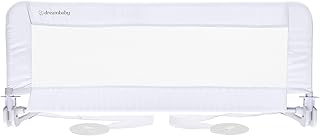
Baby Bed Guards: A Simple Solution for Peace of Mind
Sleep is essential not only for the development and well-being of babies and toddlers, but also for the sanity and health of their parents. However, for many families in the United Kingdom, the journey from cot to “big bed” can be one fraught with anxiety. The fear of your child rolling out of bed and the possibility of night-time accidents can make this transition particularly nerve-racking. Enter the humble baby bed guard—a simple yet highly effective solution offering reassurance, safety, and the gift of restful nights. As we explore in detail, baby bed guards are much more than a mere piece of furniture; they are life-improving devices that ease both the practical and emotional stresses of early childhood transitions.
The Transition from Cot to Bed: Why It Matters
Most UK parents will at some stage face the important decision of moving their child from a cot to their first bed. This move is driven by developmental milestones—such as climbing ability, outgrowing cot dimensions, or a new sibling on the way—and usually takes place between 18 months and 3.5 years of age. Whilst this change marks an exciting step towards independence, the absence of high cot sides introduces new safety concerns. These include a greater risk of falls, disrupted sleep, and increased night-time awakenings due to unfamiliar bed boundaries.
The primary aim during this transition is to preserve the child’s comfort and safety, offering a sense of security that encourages uninterrupted, restorative sleep. Here, the baby bed guard takes on a starring role, providing both a physical barrier and an emotional bridge between old and new routines.
What Exactly Is a Baby Bed Guard?
A baby bed guard is a safety accessory designed to fit alongside a child’s bed, preventing them from accidentally rolling off while sleeping. They are available in varying sizes, materials, and styles to suit different beds and sleeping arrangements.
- Fixed Bed Guards: These are securely attached to the bed frame, creating a robust and immovable barrier. They cater well to active sleepers and are typically used on toddler or single beds.
- Fold-Down Bed Guards: As the name suggests, these can be folded down, providing convenient access for parents and easy bed-changing. The fold-down mechanism can usually be locked upright for nighttime safety.
- Portable and Travel Bed Guards: Constructed from lightweight materials for ease of transport, these are ideal for holidays or visiting family members, allowing sleep routines to continue wherever you go.
- Inflatable or Foam Bed Guard Bumpers: These subtle barriers slip under the fitted sheet and act as gentle reminders when a child nears the edge, without creating a hard or intimidating surface.
The diversity of designs makes it easy for British families to choose the best match for their child’s temperament and circumstances—whether that means prioritising portability, strength, aesthetics, or discreet support.
The Core Benefits of Baby Bed Guards
Beyond their fundamental role in minimising the risk of falls, bed guards deliver a host of other tangible and intangible advantages.
People Also Look For:
- Hion Child Safety Locks,6 Pack Adjustable Cupboard Locks for Children Baby,Baby Proof Safety Locks for Cupboard Cabinet Fridge Dra...
- Ejoyous Children's Bed Safety Rail, 1.5M Vertical Lifting Guard for Protection, Toddlers and Babies Fall Prevention
- Jinrobabes Baby Bed Rails for Toddlers, Adjustable Heights & Foldable Bed Guard for Toddler Bed, Swing Down Extra Long Bed Bumper ...
- Dyna-Living Bed Assist Rail Safety Bed Rails for Elderly Adults Bed Rail with Storage Bag Safely Assist Handrail Bar Fall Preventi...
- CYHWQ Foldable Bed Guard, Bed Rails for Elderly Adults, Adjustable in Three Heights and Equipped with a Storage Pocket, Suitable f...
- Promoting Uninterrupted Sleep: Children who feel secure in bed are less likely to wake up due to anxiety about falling or actual tumbles to the floor.
- Protecting Against Night-time Injuries: Even a short fall from a toddler bed can lead to bruises or, in serious cases, broken bones and head injuries. Bed guards are a simple prevention strategy.
- Supporting New Bedtime Routines: The sense of enclosure a bed guard offers helps children settle more easily, especially when transitioning out of the familiar confines of a cot.
- Encouraging Early Independence: With a barrier in place, children can use their “big bed” unaided—a developmental milestone—while parents remain confident that any nighttime mobility is safe.
- Peace of Mind for Parents: With risks mitigated, parents experience less anxiety and may check less frequently during the night, contributing to better sleep for the whole household.
The Emotional Impact: Building Confidence and Security
Moving to a “grown-up” bed can be tinged with apprehension for a small child. The protective sides of a cot are suddenly gone, replaced by a vast, open space. Here, bed guards serve an essential function beyond physical safety—offering a familiar buffer that reassures and soothes. This emotional security can be the difference between successful, tear-free nights and a drawn-out adjustment period marked by sleeplessness and protest.
- Reducing Separation Anxiety: Knowing they are protected against unexpected falls, children may be less fearful when left alone at bedtime.
- Facilitating Smoother Sleep Training: Guarded environments lend themselves to the consistency that sleep training frequently requires.
- Fostering a Positive Bedtime Experience: Replacing anxiety with comfort means that the transition to independent sleeping is viewed positively, not as a source of dread.
Common Scenarios Where Bed Guards Shine
Many UK parents opt for bed guards in a variety of situations:
- First Bed Transitions: The most common use is when moving a child from cot to their first standard bed.
- Holiday and Travel: Sleep environments change but safety should remain a constant. Portable bed guards ensure that sleep routines are not disrupted by unfamiliar surroundings.
- Sleepovers and Shared Accommodation: For evenings at grandparents’ or friends’ houses, a temporary bed guard offers continued peace of mind.
- Active Sleepers/Special Needs: Some children with particularly restless sleeping patterns, or specific developmental needs, benefit significantly from guarded spaces during the night.
Choosing the Right Bed Guard
Selection is key. To guarantee both safety and comfort, prospective buyers should consider the following:
- Compatibility with Bed Size and Type: Not all guards fit every bed. Check dimensions and specifications carefully.
- Safety Standards: Look for certification, such as British Standard BS 7972, which assesses safety and construction quality for children's bed guards.
- Material Quality: Mesh panels promote airflow and reduce risk of entrapment, while solid guards provide robust barriers. Ensure materials are non-toxic and free of sharp edges.
- Age and Weight Suitability: Guard designs are often tailored to specific age groups. Always follow the manufacturer's recommendations.
- Ease of Installation and Cleaning: Choose a product that fits easily to your child’s bed and can be wiped down or have covers removed for washing when accidents occur.
- Portability Features: If you travel frequently, opt for a lightweight and quick-assembly guard.
How to Install and Use Bed Guards Properly
Installation should always be conducted with care. Improperly fitted guards may compromise safety:
- Read Instructions Thoroughly: Every brand and model can differ in attachment methods and safety requirements.
- Perform Regular Safety Checks: Weekly inspections ensure that fixtures, panels, and mechanisms remain tight and function as intended.
- Position Close to Mattress: Avoid dangerous gaps that could entrap a child’s limb or head. The guard should be snug against the edge.
- Ensure Correct Height: Too low, and the guard may not prevent falls; too high, and it may be daunting or difficult for the caregiver to manage.
Supplementary Safety Tips Beyond Bed Guards
Although bed guards dramatically increase safety at night, parents should consider these additional protective measures to create the safest possible sleeping environment:
- Position the Bed Wisely: Place the bed against a wall when possible, using the guard on the open side.
- Clear Surrounding Floors: Ensure the area below and around the bed is free from sharp toys or furniture, and use a thick rug for extra softness.
- Create a Calm Sleep Setting: Dim lighting, white noise machines, and comfort objects can make transitions smoother and decrease the chances of disruptive night-time movements.
- Teach Safe Bed Exits: Show your child how to leave the bed feet first and encourage this practice whenever possible.
- Supervise the First Few Nights: Monitor initial use so you can quickly spot— and solve— any unforeseen issues with the new set-up.
Living with Bed Guards: Parental Insights
First-hand accounts from UK parents bring to light why bed guards are fast becoming an indispensable household item:
- “The first night without a guard, my daughter rolled right onto the floor. With a guard, everyone’s sleep improved immediately.”
- “We use a fold-down guard at home and take a portable one on trips—consistency has made bedtime so much easier, especially when away from home.”
- “The peace of mind is priceless. Even my child seems happier knowing there’s a barrier in place; she goes to bed willingly now.”
Maintenance and When to Retire a Bed Guard
Like any baby product, bed guards have a finite lifespan and should be regularly inspected for wear and damage.
- Check for Damage: Torn mesh or cracked plastic should signal immediate replacement or repair.
- Tighten and Clean Regularly: Loose attachments or dirty surfaces not only compromise safety but also hygiene.
- Move On as Needed: Once your child reliably stays in bed or outgrows the product, transition to an unguarded bed to avoid creating barriers to further independence.
Frequently Asked Questions
- Are bed guards suitable for all ages?
Most are designed for toddlers and young children up to about five years old. Always follow manufacturer age and weight recommendations.
- Can bed guards be used on bunk beds?
No, they're not recommended for use on bunk or raised beds due to fall and entrapment hazards.
- Do all children need a bed guard?
Not always, but for active sleepers or children who struggle with night-time boundaries, guards are a wise investment.
- How many bed guards do I need?
If the bed is against a wall, one guard usually suffices. Freestanding beds may require two for full coverage.
- Are they easy to remove?
Most offer tool-free or simple removal and storage, so you can adapt as your child’s needs change.
Conclusion
Baby bed guards truly are a simple solution for peace of mind, providing both the physical safety and emotional comfort necessary during the critical transition from cot to bed. Their straightforward installation, wide availability, and proven effectiveness in preventing night-time accidents make them an essential tool for British families everywhere. With options to suit every scenario—home or travel, active or calm sleeper—bed guards bridge the gap between dependence and independence with gentle assurance.
By selecting a high-quality guard suitable for your child’s unique requirements, practising safe installation, and pairing this with a thoughtful bedtime routine, parents can say goodnight to fear and hello to restful, happy nights. Ultimately, the best reason to use a baby bed guard is the gift of genuine peace of mind—something every parent deserves.